Why I Never Skip This Daily Routine for Ageless Energy
Aging doesn’t have to mean slowing down. I used to feel tired by 3 PM, but after rebuilding my daily routine around smart, science-backed movement, everything changed. It’s not about intense workouts or strict diets—it’s about consistency, rhythm, and working *with* your body. This is how exercise became my most powerful anti-aging tool, and how it can be yours too. What began as a simple effort to feel less stiff in the mornings evolved into a full transformation—not just in how I looked, but in how I lived. I now move with ease, sleep more deeply, think more clearly, and face each day with a sense of readiness. The secret wasn’t found in a pill or a fad, but in the quiet, daily commitment to moving my body in ways that support long-term vitality.
The Hidden Truth About Aging and Energy
Many people accept fatigue, stiffness, and low energy as unavoidable parts of aging. But science increasingly shows that while chronological age is fixed, biological age—the true measure of how well your body functions—can be influenced by lifestyle. One of the most significant shifts that occurs as we age is the gradual loss of muscle mass, known as sarcopenia. After age 30, adults can lose 3–8% of muscle per decade, accelerating after 60. This decline directly affects metabolism, since muscle tissue burns more calories at rest than fat. As muscle diminishes, so does the body’s ability to regulate blood sugar, maintain balance, and perform everyday tasks like climbing stairs or carrying groceries.
Equally impactful is the slowdown in mitochondrial function. Mitochondria are the energy-producing structures within our cells, often called the “powerhouses.” With age, these structures become less efficient, leading to decreased stamina and prolonged recovery times. At the same time, joint stiffness increases due to reduced production of synovial fluid and changes in cartilage. These physical shifts are often mistaken as signs of getting older, but they are frequently worsened by inactivity. The body is designed to move; when it doesn’t, these systems degrade faster.
Modern lifestyles—long hours sitting, limited physical demands, and high stress—accelerate these processes, sometimes beginning as early as the mid-30s. Sedentary behavior triggers chronic low-grade inflammation, a key driver of biological aging. It contributes to insulin resistance, cardiovascular strain, and cognitive decline. The good news? These changes are not set in stone. Research from the National Institute on Aging shows that even modest increases in daily movement can slow, and in some cases reverse, these markers of aging. Fatigue is not a life sentence—it’s often a signal that your body is asking for movement, not rest.
Exercise as a Biological Reset (Not Just for Fitness)
Exercise is one of the few interventions proven to influence the biology of aging at the cellular level. One of the most compelling findings in longevity science involves telomeres—protective caps at the ends of chromosomes that shorten as cells divide. Shorter telomeres are associated with aging and age-related diseases. A landmark study published in the British Journal of Sports Medicine found that individuals who engaged in regular physical activity had significantly longer telomeres than sedentary peers, equivalent to being biologically up to nine years younger. This suggests that consistent movement may slow cellular aging.
Mitochondrial health also improves with exercise. When you engage in physical activity, your body responds by creating new mitochondria and enhancing their efficiency. This process, known as mitochondrial biogenesis, increases energy availability and reduces oxidative stress. Over time, this translates into greater stamina, faster recovery, and improved resilience to daily stressors. Additionally, exercise reduces systemic inflammation by lowering levels of pro-inflammatory markers such as C-reactive protein and interleukin-6. Chronic inflammation is linked to numerous conditions, including heart disease, arthritis, and cognitive decline, making its reduction a cornerstone of healthy aging.
Beyond cellular benefits, functional fitness—your ability to perform daily activities with strength, balance, and confidence—becomes more important than appearance. Looking youthful might boost confidence, but *being* youthful in function means you can play with your grandchildren, travel without limitations, or simply get up from a chair without assistance. Exercise enhances sleep quality by regulating circadian rhythms and increasing deep sleep phases. It supports cognitive function by boosting blood flow to the brain and stimulating the growth of new neural connections. It also improves mood through the release of endorphins and serotonin, natural chemicals that help manage stress and promote emotional well-being. These benefits compound over time, creating a foundation for sustained vitality.
The Three Pillars of Anti-Aging Movement
To build a routine that supports long-term health, three types of movement are essential: strength, mobility, and cardio. Each plays a unique role in maintaining physical function and slowing biological decline. Strength training is critical for preserving muscle mass and bone density. Resistance exercises—whether using body weight, resistance bands, or weights—stimulate muscle growth and improve metabolic rate. Strong muscles support joint stability, reduce injury risk, and make daily tasks easier. For women over 40, strength training is especially important in preventing osteoporosis, a condition that weakens bones and increases fracture risk.
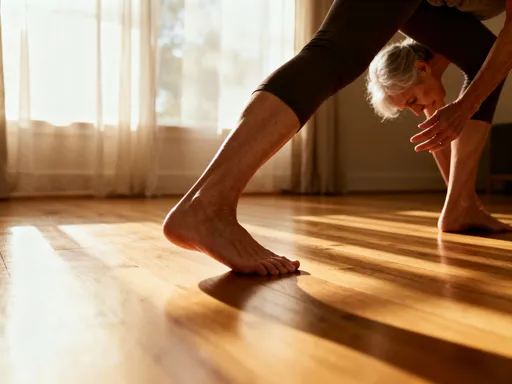
Mobility work focuses on maintaining the range of motion in joints and the flexibility of muscles and connective tissues. Unlike static stretching, mobility exercises involve active movements that lubricate joints, improve posture, and enhance coordination. Simple practices like shoulder circles, hip openers, or spine rotations can prevent the stiffness that often limits activity in later years. Good mobility ensures that you can bend, reach, twist, and move freely—key components of independence. Incorporating mobility into your day also reduces the risk of falls, a major concern as balance naturally declines with age.
Cardiovascular exercise supports heart and brain health by improving circulation and oxygen delivery throughout the body. The goal is not high intensity, but sustainable effort—what experts call “moderate-intensity aerobic activity.” This includes brisk walking, cycling, swimming, or dancing for at least 150 minutes per week, as recommended by the American Heart Association. Regular cardio lowers blood pressure, improves cholesterol profiles, and enhances insulin sensitivity. It also promotes neuroplasticity, the brain’s ability to adapt and form new connections, which is vital for memory and cognitive resilience. Together, these three pillars create a balanced approach that addresses the full spectrum of physical health.
What 10 Minutes a Day Can Actually Do
One of the biggest misconceptions about exercise is that it must be long or intense to be effective. In reality, short, consistent sessions often yield better long-term results than infrequent, exhaustive workouts. The key is frequency. Ten minutes of intentional movement each day builds a habit, and habits lead to lasting change. Think of it like compound interest: small deposits of effort accumulate into significant health returns over time. A study from the Journal of the American College of Cardiology found that just 11 minutes of moderate-to-vigorous activity per day reduced the risk of premature death by up to 23%.
Micro-routines are easy to integrate into a busy schedule. A morning mobility flow—five minutes of gentle stretches and joint movements—can awaken the body and reduce stiffness. Try neck rolls, wrist circles, ankle rotations, and a standing side bend. During lunch, use resistance bands for a quick strength session: seated rows, bicep curls, and shoulder presses. These require no equipment beyond a lightweight band and can be done at a desk or in a park. In the evening, a 10-minute walk after dinner aids digestion, lowers blood sugar, and supports relaxation. These small acts may seem minor, but their cumulative effect is profound.
The beauty of micro-movements is their accessibility. They don’t require changing clothes, driving to a gym, or setting aside large blocks of time. They fit into the natural rhythm of the day. Over weeks and months, this consistency leads to improved posture, better balance, and increased energy. You may notice you’re less sore after housework, can carry heavy bags more easily, or sleep more soundly. These are not dramatic changes, but they are meaningful ones—evidence that your body is becoming stronger and more resilient. The goal isn’t perfection; it’s presence. Showing up for yourself, even briefly, every single day.
Building a Routine That Sticks (Without Burnout)
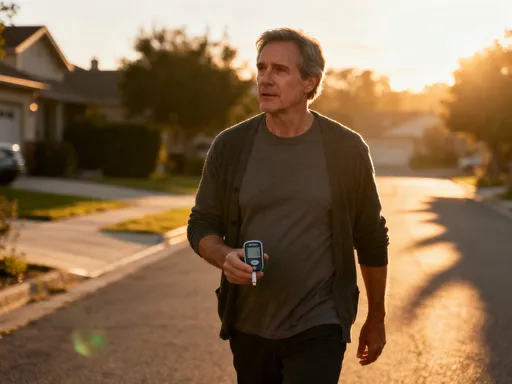
One of the main reasons people abandon exercise routines is burnout. They start with enthusiasm—joining a gym, buying new gear, setting ambitious goals—only to lose motivation when progress slows or life gets busy. Sustainable movement isn’t about willpower; it’s about designing a routine that fits your life and brings joy. The most effective form of exercise is the one you enjoy enough to do consistently. For some, that’s dancing to favorite music in the living room. For others, it’s gardening, hiking, or walking the dog through a quiet neighborhood. The form doesn’t matter as much as the frequency and intention.
To make movement non-negotiable, treat it like an important appointment. Schedule it into your calendar, just as you would a doctor’s visit or school pickup. But also allow flexibility—what matters is that you move, not that you follow a rigid plan. If you miss a morning session, take a walk after dinner. If you’re tired, do a gentle stretch instead of a workout. The goal is consistency, not perfection. Over time, this approach builds self-trust and reinforces the idea that taking care of your body is a priority, not a chore.
Tracking progress should go beyond the mirror. While changes in appearance can be motivating, they’re not the only—or even the best—measure of success. Pay attention to how you feel: Do you have more energy in the afternoon? Are you sleeping through the night? Can you get up from the floor without using your hands? These functional improvements reflect real health gains. Keeping a simple journal or using a habit-tracking app can help you recognize patterns and celebrate small wins. Over time, you’ll see that movement isn’t just about fitness—it’s about quality of life.
Common Myths That Hold People Back
Many people avoid starting an exercise routine because of deeply held myths. One of the most persistent is the belief that “I’m too old to start.” This couldn’t be further from the truth. Research from Tufts University shows that even individuals in their 90s can gain muscle and improve strength with proper resistance training. Age is not a barrier to improvement; inactivity is. The body responds to stimulus at any stage of life. Starting at 50, 60, or beyond can still lead to significant gains in strength, balance, and energy. The question isn’t “Am I too old?” but “What can I do today to feel better tomorrow?”
Another common myth is “No pain, no gain.” This outdated idea suggests that exercise must be uncomfortable to be effective. In reality, discomfort is not required for results. Sustainable progress comes from consistent, moderate effort—not pushing through pain. Pain is a signal, not a goal. Joint pain, sharp aches, or prolonged soreness should not be ignored. Exercise should challenge you, but it should not harm you. Listening to your body is a sign of wisdom, not weakness. Modifications, rest, and proper form are essential for long-term success.
The belief that “I need a gym” also prevents many from starting. While gyms offer equipment and structure, they are not necessary. Effective workouts can be done at home, in a park, or even in a small apartment. Bodyweight exercises like squats, lunges, and wall push-ups require no equipment. Resistance bands are affordable, portable, and versatile. Walking is free and highly effective. Outdoor movement also provides the added benefit of fresh air and natural light, which support circadian rhythms and mood. The best exercise program is the one you can maintain—wherever you are.
Putting It All Together: A Realistic Anti-Aging Plan
Creating a sustainable anti-aging movement plan means balancing all three pillars—strength, mobility, and cardio—without overwhelming your schedule. A realistic weekly routine might include: two days of strength training (using body weight or bands), three days of moderate cardio (like brisk walking), and daily mobility practice. Each session can last 10 to 30 minutes, depending on your energy and time. The key is consistency, not duration. For example, Monday could begin with a 10-minute morning mobility flow, followed by a 20-minute strength session in the evening. Tuesday might include a 30-minute walk and a few minutes of stretching before bed.
Adjustments can be made based on fitness level or physical limitations. If standing is difficult, seated exercises can still build strength and improve circulation. If joints are sensitive, low-impact cardio like swimming or cycling reduces strain while supporting heart health. The goal is to move within your capacity, not beyond it. Over time, as strength and endurance improve, you can gradually increase intensity or duration. This adaptive approach ensures that the routine remains safe and effective for years to come.
The long-term mindset is crucial. This isn’t a short-term fix or a seasonal challenge. It’s a lifelong upgrade—a daily investment in your future self. Instead of thinking, “I have to exercise,” reframe it as, “I get to move my body today.” This shift in perspective transforms obligation into gratitude. Each movement becomes an act of self-care, a promise to live with strength, clarity, and independence. Over time, the benefits extend beyond the physical: you’ll feel more confident, more capable, and more connected to your body. You’ll age not with fear, but with intention.
Exercise isn’t just about staying fit—it’s about staying *alive* in every sense. By treating movement as daily maintenance rather than punishment, you invest in more than appearance. You gain energy, independence, and resilience. This isn’t about chasing youth, but about aging on your own terms—with strength, clarity, and vitality.