Breathe Wrong, Feel Worse: The Hidden Mistakes in Breathing Exercises
You’ve probably heard that breathing exercises can calm your mind and boost energy — but what if you’re doing them wrong? Many people unknowingly make simple mistakes that turn a healing practice into a source of stress. I’ve been there: lightheaded, anxious, even more tense after "relaxing" breathwork. This article unpacks the most common pitfalls, explains why they backfire, and shows how to breathe with purpose — safely and effectively. While breathing is automatic, mindful breathing is a skill. And like any skill, it requires understanding, patience, and the right approach. When done correctly, it supports mental clarity, emotional balance, and physical well-being. But when practiced incorrectly, it can trigger discomfort, increase anxiety, or even mimic symptoms of serious health issues. Let’s explore how something so natural can go off track — and how to realign it for true benefit.
The Breathing Paradox: Why Simple Breathing Can Backfire
Breathing is one of the few bodily functions that operates both automatically and consciously. This dual nature makes it uniquely powerful — and uniquely vulnerable to misuse. While walking or sleeping, your breath adjusts seamlessly to your body’s needs without any effort. But when you bring awareness to it, especially in the context of stress relief or wellness routines, that natural rhythm can become distorted. The paradox lies here: an act designed to reduce stress can inadvertently increase it when approached with misunderstanding or intensity.
One of the most widespread misconceptions is that deeper or faster breathing automatically leads to better results. Many people believe that filling the lungs to their maximum capacity will oxygenate the body more effectively, leading to greater alertness or relaxation. However, this assumption overlooks a critical physiological truth: oxygen is not the only gas that matters. Carbon dioxide (CO₂), often viewed merely as a waste product, plays a vital role in regulating blood pH and helping oxygen reach tissues. When breathing becomes too rapid or too forceful — a condition known as hyperventilation — CO₂ levels drop too quickly. This shift causes the blood to become more alkaline, a state called respiratory alkalosis.
The effects of respiratory alkalosis are both physical and psychological. Reduced CO₂ levels cause blood vessels in the brain to constrict, which can lead to dizziness, lightheadedness, or even fainting. Muscles may tense up, and tingling sensations in the hands, feet, or face are common. On the mental side, the imbalance can trigger feelings of anxiety, panic, or unreality — symptoms that may be mistaken for a heart issue or neurological event. For someone already managing stress or anxiety, this reaction can reinforce fear around breathwork, creating a cycle of avoidance or frustration.
The body’s respiratory control center, located in the brainstem, is highly sensitive to CO₂ levels. It doesn’t monitor oxygen directly but instead tracks acidity in the blood, which is influenced by CO₂. When you breathe too much, you’re not giving your body enough time to maintain this delicate balance. Over time, habitual over-breathing can desensitize the system, making it harder to relax naturally. This is why some people feel worse after breathwork — they’ve unintentionally trained their bodies to respond to calm with alarm. Recognizing this paradox is the first step toward safer, more effective practice.
Mistake #1: Overdoing It — When More Isn’t Better
In the pursuit of faster results, many individuals push their breathwork too hard, believing that longer holds, faster cycles, or more intense techniques will deliver greater benefits. This mindset, often fueled by social media trends or high-performance wellness culture, treats breathwork like a fitness challenge rather than a calming practice. But unlike strength training, where progressive overload can build muscle, breathwork thrives on gentleness and consistency. Pushing too hard doesn’t accelerate progress — it disrupts the very system it’s meant to support.
When you force your breath — whether through extended breath holds, rapid panting, or exaggerated inhales — you activate the sympathetic nervous system, the same network responsible for the “fight-or-flight” response. This system evolved to help humans survive danger, not achieve relaxation. Its activation increases heart rate, tenses muscles, and sharpens alertness — all counterproductive to the goal of calming the mind. Instead of signaling safety, intense breathwork can send the body a message of emergency, especially if practiced without proper preparation or pacing.
Common signs of overexertion include dizziness, visual disturbances, numbness or tingling in the extremities, and a fluttering sensation in the chest. Some people report feeling disoriented or emotionally raw after sessions, mistaking these reactions for “release” when they may actually be signs of physiological distress. In extreme cases, overbreathing can lead to syncope — temporary loss of consciousness — which poses a physical risk, particularly if someone is standing or driving.
The key to effective breathwork isn’t intensity but regulation. Slower, more controlled breathing patterns gently stimulate the vagus nerve, which acts as a brake on the nervous system. This stimulation promotes parasympathetic activation — the “rest-and-digest” state — leading to lower heart rate, reduced muscle tension, and improved emotional regulation. Techniques that emphasize gradual progression, such as extending exhalations by just a few seconds at a time, are far more sustainable and beneficial than aggressive methods. The goal is not to change your breath dramatically, but to guide it toward balance. Over time, this approach builds resilience, not fatigue.
Mistake #2: Ignoring Your Body’s Signals
One of the most overlooked aspects of breathwork is bodily awareness. Many people focus so intently on following a specific pattern — counting breaths, holding for a certain duration, or syncing with music — that they fail to notice how their body is responding in real time. This disconnect can lead to strain, discomfort, or even injury. The breath is deeply connected to the musculoskeletal system, and when practiced incorrectly, it can cause unintended tension in the jaw, neck, shoulders, or diaphragm.
A common example is jaw clenching during breath holds. Without realizing it, individuals may tighten their jaw or grind their teeth as a subconscious response to discomfort or concentration. This habit not only causes dental or muscular pain over time but also restricts airflow and increases stress signals in the brain. Similarly, lifting the shoulders with each inhale — a movement often seen in chest-dominant breathing — engages accessory muscles that are meant for emergency respiration, not everyday use. This pattern can lead to chronic neck and upper back tension, especially in those who already spend long hours at desks or computers.
To prevent these issues, it’s essential to incorporate body scanning into breathwork practice. Before beginning, take a moment to assess your posture, release tension in the face and neck, and allow the shoulders to drop. During the exercise, periodically check in: Is your forehead smooth? Are your teeth slightly apart? Is your chest moving minimally while your abdomen rises and falls? These small adjustments ensure that your practice remains supportive rather than stressful.
Another important signal is emotional discomfort. While some breathwork may bring up buried emotions — a phenomenon sometimes described as “emotional release” — persistent feelings of fear, panic, or dissociation are not signs of progress. They may indicate that the technique is too intense or that the environment isn’t safe enough for deep work. In such cases, returning to natural, unforced breathing is the wisest choice. Breathwork should never feel like a battle with your own body. When practiced with awareness and respect, it becomes a form of self-care, not self-punishment.
Mistake #3: Practicing at the Wrong Time or Place
Timing and environment play a crucial role in the effectiveness of breathwork. Yet many people attempt these exercises at inopportune moments — while driving, during work breaks, or right before bed — without considering how context influences outcomes. A technique that calms one person in a quiet room might overwhelm another who is already fatigued or distracted. Understanding when and where to practice is just as important as knowing how to breathe.
For instance, practicing deep or rhythmic breathing while multitasking can create cognitive overload. The brain must divide attention between the task at hand and the breath pattern, reducing the effectiveness of both. This fragmented focus may increase mental fatigue rather than relieve it. Similarly, attempting breathwork while lying down — especially for those with sleep difficulties — can blur the line between relaxation and sleep onset. Some individuals report that certain techniques make it harder to fall asleep, particularly if they involve stimulation or increased alertness.
The ideal setting for breathwork is quiet, comfortable, and free from interruptions. Sitting upright in a chair with feet flat on the floor supports diaphragmatic breathing and prevents drowsiness. The back should be straight but not rigid, allowing the lungs to expand fully without strain. If lying down, using a pillow under the knees can reduce lower back pressure and promote relaxation. The room should be at a comfortable temperature, and external distractions like phones or loud noises should be minimized.
Timing also matters. Morning or midday sessions are often more effective for energizing techniques, while evening practices should focus on gentle, slow breathing to support wind-down routines. Avoid practicing immediately after meals, as digestion can interfere with diaphragm movement. Additionally, individuals experiencing acute stress or panic should start with very simple, natural breathing rather than complex patterns. In high-arousal states, the priority is stabilization, not transformation. By aligning practice with the right conditions, breathwork becomes a reliable tool rather than a source of unpredictability.
Mistake #4: Copying Trends Without Understanding
The rise of social media has made breathwork more accessible than ever — but not always more accurate. Viral videos often promote dramatic techniques like intense hyperventilation followed by long breath holds, promising instant energy, emotional breakthroughs, or spiritual awakening. While these methods may have roots in traditional practices, they are not universally safe or appropriate. Copying them without understanding the underlying physiology or individual limitations can lead to adverse effects, especially for those with preexisting health conditions.
For example, techniques that involve sustained hyperventilation can dangerously lower CO₂ levels, as previously discussed. For someone with a history of panic attacks, this can trigger a recurrence. Those with cardiovascular issues, such as hypertension or arrhythmias, may experience increased heart strain due to fluctuations in blood pressure and oxygen delivery. People with respiratory conditions like asthma or COPD may find that forceful breathing exacerbates symptoms or leads to bronchospasm.
Moreover, many popular breathwork trends lack context. What works for a trained practitioner under supervision may not be suitable for a beginner practicing alone at home. Traditional systems like pranayama in yoga or Wim Hof breathing were developed within structured frameworks, often accompanied by lifestyle guidance, gradual progression, and teacher support. Isolating a single technique from this context removes its safeguards.
The solution is not to avoid breathwork altogether, but to approach it with discernment. Before trying a new method, consider your health status, goals, and experience level. Look for sources that emphasize safety, provide clear instructions, and acknowledge contraindications. When in doubt, start with basic, well-researched techniques like diaphragmatic breathing or box breathing, which have been studied for their calming effects and low risk profile. Personalization is key — your breath is unique, and your practice should reflect that.
Breathing Right: Principles for Safe and Effective Practice
Shifting from harmful habits to beneficial ones begins with adopting core principles that prioritize safety, consistency, and physiological harmony. The most effective breathwork isn’t flashy or extreme — it’s sustainable, gentle, and aligned with the body’s natural design. By focusing on quality over quantity, you build a foundation that supports long-term well-being.
One of the most important principles is slow and steady pacing. Research shows that breathing at a rate of about six breaths per minute — roughly five to six seconds inhale, five to six seconds exhale — optimizes heart rate variability (HRV), a marker of nervous system resilience. This rhythm synchronizes with the cardiovascular system, enhancing vagal tone and promoting emotional stability. Unlike rapid or forceful techniques, this pace encourages relaxation without triggering alarm.
Nasal breathing is another cornerstone of healthy breathwork. Breathing through the nose filters, warms, and humidifies air, protecting the lungs. It also promotes the production of nitric oxide, a molecule that improves oxygen uptake and supports cardiovascular health. In contrast, mouth breathing bypasses these benefits and is associated with increased snoring, dry mouth, and even dental issues. During practice, make a conscious effort to keep the mouth closed and the breath flowing gently through the nostrils.
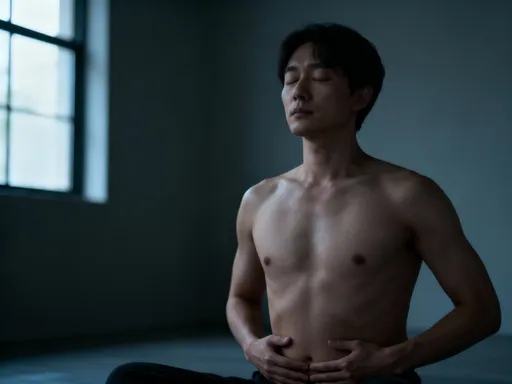
Diaphragmatic engagement ensures that breathing comes from the belly rather than the chest. To check this, place one hand on your chest and the other on your abdomen. With each inhale, the abdominal hand should rise more than the chest hand. This movement activates the diaphragm, the primary muscle of respiration, and massages internal organs, supporting digestion and circulation. Over time, diaphragmatic breathing retrains the body to use energy more efficiently and reduces reliance on stress-related breathing patterns.
Consistency matters more than intensity. Practicing for just five to ten minutes daily yields better results than occasional hour-long sessions. A simple starter routine might include: sitting comfortably, closing the eyes, inhaling slowly through the nose for four counts, exhaling through the nose for six counts, and repeating for five minutes. As this becomes comfortable, the exhalation can be extended to seven or eight counts. This practice builds CO₂ tolerance, improves lung function, and fosters mental clarity — all without strain.
When to Seek Help: Knowing Your Limits
Breathwork is a valuable self-care tool, but it is not a substitute for professional medical care. For individuals with chronic health conditions, especially those affecting the heart, lungs, or mental health, consulting a healthcare provider before starting a new breathing practice is essential. Certain techniques may need to be modified or avoided altogether based on individual needs.
Warning signs that indicate professional guidance is needed include persistent dizziness, chest pain, palpitations, shortness of breath at rest, or worsening anxiety after breathwork. These symptoms may point to underlying conditions such as arrhythmias, pulmonary hypertension, or panic disorder, which require diagnosis and treatment. In such cases, breathwork should be paused until a medical evaluation is completed.
Additionally, those recovering from trauma or managing PTSD should approach deep or immersive breathwork with caution. While some find it helpful, others may experience retraumatization if the practice triggers unresolved memories or emotional overwhelm. Working with a trained therapist who understands both breathwork and trauma is the safest path forward.
The goal of mindful breathing is not to achieve a perfect state, but to cultivate awareness, balance, and self-compassion. It is a lifelong skill that evolves with your needs. By avoiding common mistakes, listening to your body, and practicing with intention, you can transform breathwork from a source of stress into a reliable anchor for well-being. In a world full of noise and distraction, the simple act of breathing — done right — can be a profound act of self-care.