How I Got My Groove Back with Easy Daily Moves
After my injury, even walking felt hard. I didn’t know where to start, but I knew I had to move. Slowly, I discovered simple aerobic exercises that actually helped—no pain, no pressure. Over time, my energy came back, and so did my confidence. This isn’t about intense workouts or fast fixes. It’s about healing through gentle, consistent motion. If you’re recovering too, this real-life approach might be exactly what you need to begin.
The Moment Everything Slowed Down
It happened during a routine day—something simple, like stepping off a curb or turning too quickly. A sharp pain shot through my lower back, and just like that, my world changed. What followed was weeks of limited movement, relying on others for tasks I once did without thinking. Standing up from a chair, bending to tie a shoe, even getting dressed—each became a challenge. The physical limitations were difficult, but the emotional toll was deeper. I felt frustrated, isolated, and afraid that this new version of myself might be permanent.
There was a quiet fear beneath the surface: the fear of losing independence. I began to notice how much of daily life depends on mobility. Without it, simple joys—walking through the garden, playing with grandchildren, meeting a friend for coffee—became distant memories. I realized that doing nothing was not a neutral choice. In fact, inactivity carries serious health risks, including muscle atrophy, decreased cardiovascular function, and even increased likelihood of chronic conditions like type 2 diabetes and high blood pressure. The body is designed to move; when it doesn’t, systems begin to slow down in ways that compound over time.
More than the physical decline, I missed the feeling of being capable. I missed the rhythm of a day shaped by small, purposeful movements—making breakfast, walking to the mailbox, folding laundry. These are not grand achievements, but together they form the foundation of self-reliance. I knew I couldn’t stay in this place of helplessness. Healing wouldn’t happen overnight, but I needed to start somewhere. That decision—to take responsibility for my recovery—was the first real step forward.
Why Aerobic Exercise? Not Strength or Stretching
When I first considered rehabilitation, I assumed strength training or stretching would be the answer. After all, I had lost muscle tone and flexibility. But my physical therapist explained that aerobic exercise—movement that gently raises the heart rate—was the essential first step. Aerobic activity isn’t about running marathons or intense cardio. It’s about consistent, rhythmic motion that increases circulation without straining the body. Examples include walking, cycling, or moving in water—all low-impact ways to get the blood flowing.
The reason aerobic exercise is so effective in early recovery lies in its ability to improve circulation. When blood flow increases, oxygen and nutrients are delivered more efficiently to injured tissues, supporting natural healing. Joints also benefit, as movement stimulates the production of synovial fluid—the body’s natural lubricant—which reduces stiffness and improves range of motion. Additionally, aerobic activity has a direct impact on mental clarity and emotional regulation. It encourages the release of endorphins, the body’s natural mood enhancers, which can ease anxiety and improve sleep quality—two areas often disrupted during recovery.
While strength and flexibility are important, they are best introduced after foundational endurance and joint mobility are restored. Trying to build strength on a system that isn’t circulating properly or moving freely can lead to further strain. Aerobic exercise prepares the body for those next steps. It’s like warming up the engine before driving—it doesn’t take you to the destination alone, but it makes the journey possible. For me, understanding this sequence was empowering. It gave me permission to start small, knowing that each gentle movement was laying the groundwork for future progress.
My First Move: Walking Without Pain
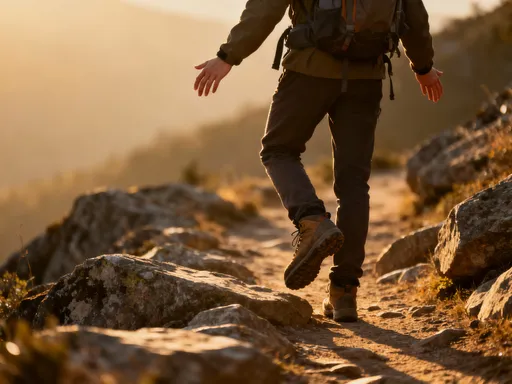
I began with the most basic form of movement: walking. But even this simple act required careful planning. I started with just five minutes a day, choosing flat, even surfaces like my driveway or a nearby sidewalk. I invested in supportive shoes with cushioned soles, which made a surprising difference in comfort. At first, I focused more on form than distance—keeping my posture upright, taking even steps, and breathing steadily. I avoided pushing through pain. If discomfort arose, I stopped and rested. This wasn’t about endurance; it was about retraining my body to move safely.
One of the biggest shifts was in my mindset. I had to let go of the idea that progress meant big, visible changes every day. Instead, I learned to celebrate small victories: completing five minutes without stopping, walking to the end of the block, or noticing that morning stiffness lasted a little less than before. I kept a simple journal, not to track miles or calories, but to note how I felt—energy levels, mood, and any reduction in pain. Over time, patterns emerged. I began to see that consistency mattered more than intensity.
Within a few weeks, the benefits became noticeable. My joints felt looser, especially in the mornings. I slept more deeply and woke up feeling more refreshed. My mood improved, and I felt less overwhelmed by daily tasks. These changes weren’t dramatic, but they were real. The most meaningful sign was confidence—slowly returning as I realized I could trust my body again. Walking became more than exercise; it became a daily ritual of self-care, a quiet promise that I was showing up for myself, one step at a time.
Adding Low-Impact Rhythms: Cycling and Water Walking
Once walking felt more comfortable, I introduced variety to keep my routine engaging and reduce the risk of overuse. The next addition was a stationary bike. Cycling offered a different kind of movement—one that minimized pressure on my joints while still increasing my heart rate. I started with ten-minute sessions, using low resistance, and gradually increased duration as my stamina improved. The seated position was easier on my back, and I could control the pace completely. I often watched a favorite show or listened to music, which made the time pass quickly and turned exercise into something I looked forward to.
Another game-changer was water walking. I began attending pool therapy sessions at a local community center. Moving in water provides natural resistance, which strengthens muscles without impact. The buoyancy of the water supports the body, reducing stress on joints by up to 90%, according to physical therapy research. I started by walking in chest-deep water, using my arms to increase resistance. Later, I added gentle kicking and side steps. The cool temperature of the water also helped soothe any lingering inflammation, and the rhythmic motion had a calming effect on my mind.
Both cycling and water walking taught me the value of cross-training—using different forms of movement to support overall recovery. Each activity engaged my body in a slightly different way, preventing boredom and promoting balanced improvement. I didn’t follow a rigid schedule. Some days, I walked. Other days, I cycled or went to the pool. The key was to keep moving, even if the form changed. This flexibility made the routine sustainable. I wasn’t locked into one method, so a bad weather day or a stiff morning didn’t derail my progress. Instead of seeing these as obstacles, I learned to adapt—choosing the movement that felt right for that day.
Creating a Flow: Building a Routine That Feels Natural
As I became more consistent, I began to weave these activities into a daily rhythm that felt natural, not forced. I found that mornings worked best for walking—when the air was fresh and my mind was clear. Cycling fit well in the late afternoon, when I needed a gentle energy boost after sitting for long periods. Water walking became a weekly ritual, usually on cooler days when the pool offered both exercise and comfort. I didn’t aim for perfection. Some days, I only managed one activity. Others, I combined short sessions—five minutes of walking, followed by ten minutes on the bike.
Music played a surprising role in maintaining motivation. I created a playlist of uplifting songs—nothing too fast, but with a steady beat that matched my pace. The rhythm helped me stay in sync with my movements and made the time pass more enjoyably. I also paid attention to my environment. Walking through a tree-lined park or along a quiet path gave me a sense of peace that indoor exercise couldn’t match. When weather didn’t permit, I set up a small space at home with my bike and a mat, keeping it bright and inviting with natural light and plants.
Safety remained a priority. I always wore supportive footwear, stayed hydrated, and listened to my body’s signals. If I felt fatigued or pain increased, I adjusted immediately. I also made sure my surroundings were free of tripping hazards, especially when walking outdoors. Over time, this routine stopped feeling like a chore and became a part of my daily life—like brushing my teeth or making tea. It wasn’t about achieving a goal; it was about honoring my body’s need for movement in a way that felt sustainable and kind.
What Really Changed—Beyond Physical Gains
The physical improvements were welcome—better balance, increased stamina, less pain—but what surprised me most was the shift in how I felt inside. I began to regain a sense of control. For months, I had felt at the mercy of my injury, waiting for healing to happen. Now, I was actively participating in my recovery. That shift—from passive to active—had a ripple effect on my mental well-being. Anxiety, which had quietly grown during my period of inactivity, began to ease. I slept more soundly and woke up with a greater sense of purpose.
Daily life became noticeably easier. I could climb a flight of stairs without stopping. I carried groceries without needing to set the bags down halfway. I joined friends for walks in the park and didn’t worry about falling behind. These small victories rebuilt my confidence in ways I hadn’t expected. I started saying yes to invitations again, not out of obligation, but because I knew I could handle them. Social interactions, once draining, became sources of joy and connection.
Perhaps the most profound change was in my relationship with progress. I used to believe that meaningful change required big, dramatic actions. Now, I understood the power of small, consistent steps. Each walk, each bike ride, each session in the water was a quiet affirmation: I am healing. I am capable. I am here. These moments of movement became anchors in my day, grounding me in the present and reminding me that recovery is not a straight line, but a series of choices made with care and patience.
Staying on Track: Flexibility Over Perfection
Of course, there were setbacks. Some days, fatigue made even five minutes of walking feel impossible. Others, bad weather kept me indoors, and motivation dipped. I learned that the key wasn’t to avoid these moments, but to respond to them with compassion. I stopped viewing a missed session as failure. Instead, I asked myself: What does my body need today? Sometimes, that meant resting. Other times, it meant doing a shorter version of my routine—three minutes of movement instead of ten. The goal was to maintain connection, not meet a rigid standard.
I also adjusted intensity based on how I felt. On good days, I might extend my walk or add a few minutes on the bike. On tougher days, I focused on gentle motion—slow steps, deep breathing, or seated arm movements. This flexibility prevented burnout and kept me engaged over the long term. I reminded myself that consistency—not daily perfection—was what truly mattered. Research in rehabilitation supports this: regular, moderate activity leads to better long-term outcomes than sporadic, intense efforts followed by long breaks.
I also leaned on small supports to stay consistent. I kept my walking shoes by the door as a visual cue. I scheduled movement like any other important appointment. And I shared my journey with a close friend, who checked in without judgment. These simple strategies didn’t guarantee success every day, but they created a structure that made it easier to keep going. Over time, movement became less something I had to do and more something I wanted to do—a gift to myself, not a task to complete.
Conclusion: Movement as a Gentle Promise to Yourself
Looking back, I see that my recovery wasn’t built on dramatic transformations, but on daily acts of care. Simple aerobic exercises—walking, cycling, moving in water—did more than rebuild strength. They restored my energy, lifted my mood, and returned a sense of agency over my life. This journey taught me that healing doesn’t require extreme measures. It asks for presence, patience, and the willingness to start small and keep going.
If you’re in the early stages of recovery, know that every step counts—even the ones taken slowly, even the ones done in silence. Progress may feel invisible at first, but over time, the cumulative effect is powerful. You don’t need to push through pain or chase impossible goals. You simply need to move, in whatever way feels safe and sustainable for you. Let go of comparison. Focus on your own path. Celebrate the small wins. They are the foundation of lasting change.
Finally, always consult a healthcare provider before beginning any rehabilitation plan. This journey is personal, but it doesn’t have to be walked alone. With professional guidance and your own steady commitment, gentle movement can become a lifelong practice—one that supports not just physical health, but emotional resilience and daily joy. Healing takes time. But with each step, you’re making a quiet, powerful promise: I am worth the effort.