How I Stay Ahead of Illness—Simple Daily Choices That Actually Work
Preventive healthcare isn’t about drastic changes—it’s the small, consistent habits that protect your long-term health. I used to wait until I felt sick to pay attention to my body, but not anymore. Now, I focus on what I can do today to stay strong tomorrow. This is a practical look at how everyday choices—what you eat, how you move, and even how you sleep—shape your resilience. No magic fixes, just science-backed strategies that fit real life. The truth is, most chronic illnesses don’t appear overnight. They develop silently over years, often fueled by lifestyle patterns we barely notice. But the good news? Many of these conditions are preventable. By shifting from a reactive to a proactive mindset, you can significantly reduce your risk and live with greater energy, clarity, and confidence. This isn’t about achieving perfection—it’s about progress, one day at a time.
Understanding Preventive Healthcare: What It Really Means
Preventive healthcare refers to actions taken to avoid the onset of disease rather than treating it after symptoms appear. It’s the difference between waiting for a fire to start and installing smoke detectors, fire extinguishers, and practicing fire safety every day. In health terms, this means making choices that lower your risk of conditions like heart disease, type 2 diabetes, certain cancers, and hypertension. The goal is not to guarantee immunity—no strategy can promise that—but to shift the odds in your favor.
For many, the healthcare system is designed around reacting to illness. You feel unwell, schedule an appointment, receive a diagnosis, and begin treatment. But this model often misses the opportunity to stop disease before it begins. Research from the Centers for Disease Control and Prevention (CDC) suggests that up to 80% of heart disease and stroke cases, as well as type 2 diabetes, could be prevented through lifestyle changes. This statistic underscores the power of prevention, yet many people still view it as something only relevant to older adults or those with existing health concerns. The reality is that preventive habits matter at every stage of life. A woman in her 30s who prioritizes sleep, nutrition, and movement is building a stronger foundation than one who waits until her 50s to make changes.
Another common misconception is that prevention requires extreme measures—like juice cleanses, expensive supplements, or hours at the gym. In truth, the most effective preventive strategies are simple, sustainable, and integrated into daily life. They don’t demand perfection but consistency. Brushing your teeth daily doesn’t cure cavities—it prevents them. Similarly, eating balanced meals, staying active, and managing stress aren’t cure-alls, but they create a body that’s better equipped to resist illness. Prevention is not about fear; it’s about empowerment. It’s choosing to invest in your health today so you can enjoy a more vibrant, independent future.
The Power of Daily Habits: Small Actions, Big Impact
The human body responds to patterns, not isolated events. One healthy meal won’t transform your health, but eating well most days can. This is the principle of compounding benefits—small, repeated actions that accumulate into significant long-term outcomes. Think of it like saving money: depositing $10 a week may seem insignificant, but over time, it grows into a meaningful sum. The same logic applies to health. Drinking an extra glass of water, taking a 10-minute walk, or choosing whole grains over refined ones may seem minor, but when repeated daily, they build resilience.
Consider hydration. Many women underestimate how much water they need, especially during busy days filled with work, caregiving, and household responsibilities. Chronic mild dehydration can lead to fatigue, headaches, and reduced concentration. It may also contribute to urinary tract issues and constipation. Yet, simply carrying a reusable water bottle and refilling it twice a day can make a measurable difference. Over time, this small habit supports kidney function, skin health, and energy levels. The key is consistency, not intensity.
Another example is movement. Sitting for long periods—common among those working from home or managing household tasks—has been linked to increased risks of cardiovascular disease and metabolic slowdown. But you don’t need to run a marathon to counteract this. Standing up every hour, stretching your arms and legs, or walking around the house during phone calls can improve circulation and reduce stiffness. These micro-movements add up. Studies show that people who break up prolonged sitting with short activity bursts have better blood sugar control and lower inflammation markers.
What makes habits stick is not willpower, but integration. When a behavior becomes part of your routine—like brushing your teeth after meals or locking the door before bed—it requires less mental effort. This is where the concept of “health momentum” comes in. Starting with one manageable change, such as drinking more water or walking after dinner, can create a ripple effect. Success in one area builds confidence and makes it easier to adopt another healthy habit. Over time, these choices form a lifestyle that naturally supports well-being, rather than feeling like a series of obligations.
Nutrition as Prevention: Eating to Strengthen, Not Just Satisfy
Food is one of the most powerful tools for preventive health. What you eat directly influences your immune system, energy levels, hormone balance, and risk for chronic disease. Yet, many women approach nutrition as a matter of weight management or occasional dieting, rather than a daily act of self-care. Shifting the mindset from restriction to nourishment can transform your relationship with food. Instead of asking, “Can I eat this?” try asking, “Will this help me feel strong and energized?”
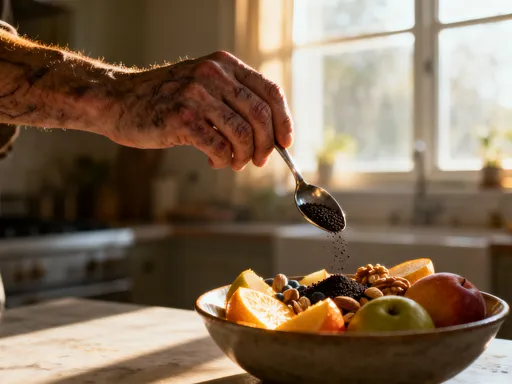
Whole, minimally processed foods—such as vegetables, fruits, whole grains, legumes, nuts, seeds, and lean proteins—provide essential nutrients that support cellular function and repair. Fiber, for example, found in beans, oats, and vegetables, helps regulate blood sugar and supports gut health, which is closely linked to immune function. Antioxidants in colorful produce protect cells from oxidative stress, a contributor to aging and disease. Omega-3 fatty acids in fatty fish and flaxseeds help reduce inflammation, which plays a role in conditions like arthritis and heart disease.
One practical step is learning to read food labels. Many packaged foods marketed as “healthy” contain added sugars, refined grains, or unhealthy fats. A simple rule is to check the ingredient list: if sugar appears in the first three ingredients, or if there are more than five unrecognizable items, it’s likely highly processed. Choosing foods with short, familiar ingredient lists helps ensure you’re getting real nutrition. Another helpful strategy is the plate method: fill half your plate with vegetables, one-quarter with lean protein, and one-quarter with whole grains. This approach balances nutrients without requiring calorie counting.
Portion control also matters. Even healthy foods can contribute to weight gain if eaten in excess. Using smaller plates, serving food in the kitchen rather than at the table, and eating slowly to recognize fullness cues can prevent overeating. It’s also important to allow flexibility. Depriving yourself of favorite foods often leads to bingeing later. Instead, aim for the 80/20 rule: eat nutrient-dense foods 80% of the time and enjoy treats in moderation the other 20%. This balance makes healthy eating sustainable and enjoyable.
Movement That Fits Life: Staying Active Without the Gym
Physical activity is a cornerstone of preventive health, yet many women feel discouraged by the idea that effective exercise must be intense or time-consuming. The truth is, movement comes in many forms, and consistency matters more than intensity. The World Health Organization recommends at least 150 minutes of moderate-intensity aerobic activity per week, but this can be broken into 10- or 15-minute segments throughout the day. The goal is to keep your body moving, not to achieve athletic performance.
Walking is one of the most accessible and effective forms of exercise. It improves cardiovascular health, strengthens muscles, supports joint mobility, and boosts mood by increasing endorphins. A daily 20- to 30-minute walk—whether around the neighborhood, in a park, or even indoors at a mall—can significantly lower the risk of heart disease and type 2 diabetes. Adding slight inclines or picking up the pace occasionally enhances the benefits. For those with limited time, walking during phone calls, after meals, or while listening to a podcast makes it easier to fit into a busy schedule.
Stretching and mobility work are equally important, especially as we age. Sitting for long periods shortens hip flexors, tightens the back, and reduces flexibility. Simple daily stretches—like reaching overhead, touching your toes, or rotating your shoulders—can relieve tension and improve posture. Yoga and tai chi are excellent options for building strength, balance, and mental calm. These practices have been shown to reduce blood pressure, improve sleep, and decrease stress-related inflammation.
Strength training, even without weights, plays a key role in prevention. Muscle mass naturally declines with age, leading to weakness, slower metabolism, and higher fall risk. Bodyweight exercises like squats, lunges, push-ups (modified if needed), and planks help maintain muscle and bone density. Doing these two to three times a week for 15 to 20 minutes can make a lasting difference. The key is to start where you are. If you haven’t exercised in years, five minutes of movement is better than none. Over time, your stamina and confidence will grow.
Sleep and Stress: The Silent Health Guardians
Sleep and stress management are often overlooked in preventive health, yet they are deeply interconnected with physical well-being. Chronic sleep deprivation—defined as regularly getting less than seven hours per night—has been linked to increased risks of obesity, heart disease, weakened immunity, and cognitive decline. During sleep, the body repairs tissues, regulates hormones, and consolidates memory. Without adequate rest, these processes are disrupted, leaving you more vulnerable to illness.
Similarly, chronic stress triggers the release of cortisol and adrenaline, hormones designed for short-term survival responses. When these remain elevated over time, they contribute to inflammation, high blood pressure, insulin resistance, and digestive issues. The modern lifestyle—juggling work, family, and personal responsibilities—can keep stress levels high without obvious warning signs. This is why managing stress is not a luxury; it’s a necessity for long-term health.
Improving sleep starts with routine. Going to bed and waking up at the same time every day—even on weekends—helps regulate your body’s internal clock. Creating a wind-down ritual an hour before bed can signal to your brain that it’s time to rest. This might include dimming the lights, reading a book, taking a warm bath, or practicing gentle stretching. Reducing screen time is critical, as the blue light emitted by phones and tablets suppresses melatonin, the hormone that promotes sleep.
Stress reduction techniques vary by individual, but proven methods include deep breathing, meditation, journaling, and spending time in nature. Even five minutes of mindful breathing—focusing on slow, deep inhales and exhales—can activate the parasympathetic nervous system, which helps the body relax. Scheduling short breaks during the day to step outside, listen to calming music, or simply close your eyes can prevent stress from accumulating. The goal is not to eliminate stress entirely—this is neither possible nor desirable—but to build resilience so you can respond to challenges without long-term harm.
Screenings and Check-Ins: Knowing Your Body’s Baseline
While lifestyle choices form the foundation of preventive health, regular medical check-ups and screenings are essential for early detection and monitoring. These appointments provide objective data about your body’s internal environment—information you can’t always feel or see. Blood pressure, cholesterol levels, blood sugar, and body mass index (BMI) are key indicators that, when tracked over time, can reveal trends and risks before symptoms appear.
Recommended screenings vary by age, gender, and family history. For example, women in their 30s and 40s should have regular blood pressure checks, cholesterol tests every four to six years, and diabetes screening if they have risk factors like obesity or a family history. Cervical cancer screening through Pap smears is typically recommended every three years starting at age 21, while mammograms for breast cancer usually begin around age 40 to 50, depending on guidelines and personal risk. Bone density scans may be advised later in life to assess osteoporosis risk.
These tests are not meant to create anxiety but to provide clarity. A high cholesterol reading, for instance, isn’t a life sentence—it’s an opportunity to make dietary and lifestyle changes before plaque builds up in the arteries. Similarly, slightly elevated blood sugar can be reversed with improved nutrition and activity. The earlier these changes are made, the more effective they are.
Equally important is open communication with your healthcare provider. Don’t dismiss persistent fatigue, changes in digestion, unexplained weight shifts, or mood changes as “just part of aging.” These could be early signs of underlying conditions. Keeping a health journal—where you note symptoms, sleep patterns, diet, and stress levels—can help you and your doctor identify patterns. Preventive care is a partnership. You bring awareness and daily habits; your provider brings expertise and monitoring. Together, they form a powerful defense against illness.
Building a Sustainable Prevention Mindset
One of the biggest challenges in preventive health is maintaining motivation over time. Unlike weight loss or training for an event, the benefits of prevention are often invisible. You don’t get immediate feedback for avoiding disease. This is why a long-term mindset is crucial. Instead of focusing on dramatic results, celebrate small wins—like choosing a salad over fast food, completing a week of consistent sleep, or remembering to stretch after sitting for hours.
Sustainability comes from personalization. What works for one woman may not work for another. Some thrive on structured meal plans and workout schedules, while others prefer flexibility and intuitive eating. The goal is not to follow a rigid set of rules but to find practices that fit your personality, lifestyle, and values. If you hate running, don’t force yourself—try dancing, swimming, or gardening instead. If meal prepping feels overwhelming, start by preparing just one healthy dish each week.
Progress, not perfection, should be the standard. Slip-ups are normal and expected. Missing a workout, eating comfort food during a stressful week, or staying up late doesn’t undo months of effort. What matters is returning to your habits without guilt or self-criticism. Self-compassion is a key component of lasting change. Research shows that people who practice self-kindness are more likely to stick with healthy behaviors over time.
Finally, remember that preventive healthcare is an investment in your future self. The choices you make today—what you eat, how you move, how you rest—will shape your health in 10, 20, or 30 years. This isn’t about fear of illness, but about creating a life filled with energy, independence, and joy. You don’t have to do everything at once. Start with one small change. Build from there. Over time, these choices become second nature, forming a lifestyle that supports you for decades to come.
Preventive healthcare isn’t about fear or obsession—it’s about empowerment. By making informed, consistent choices, you take control of your well-being long before problems arise. These habits aren’t flashy, but they’re foundational. Start small, stay consistent, and remember: your future self will thank you. Always consult a healthcare professional to tailor these concepts to your personal needs.