How Acupuncture and Massage Quiet the Mind: A Science-Backed Journey to Calm
Stress doesn’t just live in your head—it’s stored in your muscles, your breath, even your posture. I didn’t realize how much tension I carried until I tried acupuncture and massage not for pain, but for mental balance. Science shows these therapies influence the nervous system in real ways. This isn’t about miracle cures, but measurable shifts in how we feel, think, and respond to daily pressure. Let’s explore what actually happens—and why it might matter for your mind.
The Hidden Link Between Body Tension and Mental State
Many people think of stress as purely psychological, but the body tells a different story. Tight shoulders, clenched jaws, and shallow breathing are not just side effects—they are physical signs of emotional strain. When the mind experiences anxiety or pressure, the body often responds by tensing muscles, particularly in the neck, back, and jaw. Over time, this chronic tension becomes a self-reinforcing cycle: the tighter the body, the more the brain perceives danger, which in turn increases stress hormones like cortisol. This creates a feedback loop that keeps the nervous system in a state of alertness, even when no real threat exists.
Research supports this mind-body connection. Studies have shown that individuals with chronic anxiety often exhibit higher levels of muscle stiffness and reduced flexibility. Elevated cortisol, a hormone released during stress, has been directly linked to prolonged muscle tension and disrupted sleep patterns. When the body remains in a state of 'fight or flight,' it becomes harder to access the calm, reflective state needed for emotional regulation. The result is a person who feels constantly on edge, irritable, or mentally fatigued—even after a full night’s rest.
Understanding this connection is essential for anyone seeking lasting psychological adjustment. The body is not a passive container for emotions; it actively participates in how we experience stress. By addressing physical tension, we open a pathway to mental relief. Therapies like acupuncture and massage work not by ignoring the mind, but by helping the body send new signals—signals of safety, release, and restoration. When muscles relax, the brain begins to believe that it is safe to let down its guard. This shift is not imagined; it is rooted in physiology. The body’s physical state directly influences mood, focus, and emotional resilience, making body-based interventions a powerful complement to traditional mental wellness practices.
How Acupuncture Works: More Than Just Needles
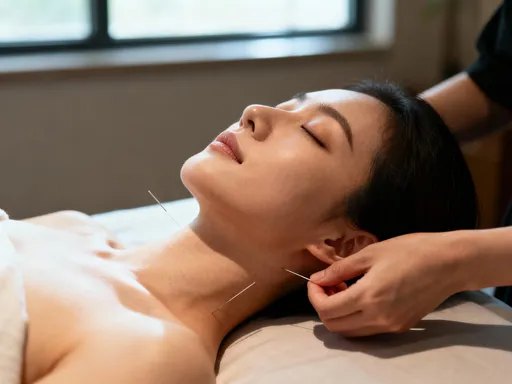
Acupuncture is often misunderstood as a mystical or alternative practice, but modern science reveals it as a form of neuromodulation—a way to influence the nervous system through precise physical stimulation. When thin, sterile needles are inserted into specific points on the body, they activate sensory nerves beneath the skin. These nerves send signals to the brainstem and limbic system, areas responsible for regulating emotions, arousal, and stress responses. The result is a measurable shift in nervous system activity, moving the body from a state of hyperarousal toward relaxation.
Functional MRI studies have demonstrated that acupuncture sessions lead to observable changes in brain activity. In particular, regions such as the amygdala, which processes fear and anxiety, show reduced activation after treatment. At the same time, areas involved in emotional regulation, like the prefrontal cortex, become more active. This neurological shift helps explain why many people report feeling calmer, clearer, and more centered after a session. It’s not a euphoric high or a numbing effect—it’s a return to baseline, a sense of being grounded in the present moment.
Acupuncture also influences key neurotransmitters involved in mood stability. Research indicates that it can increase levels of serotonin, often called the 'feel-good' chemical, and enhance the activity of GABA, a neurotransmitter that helps reduce neuronal excitability. Low GABA levels are associated with anxiety disorders, and many anti-anxiety medications work by boosting GABA function. Acupuncture offers a natural way to support this system without pharmaceutical intervention. While individual responses vary, the cumulative effect of regular sessions can help the nervous system relearn how to self-regulate, reducing the frequency and intensity of anxious thoughts.
It’s important to note that acupuncture is not a one-time fix. Like building strength through exercise, its benefits grow with consistency. Most practitioners recommend a series of sessions to achieve lasting results. For women in their 30s to 50s, who often juggle family, career, and personal well-being, acupuncture can be a valuable tool for managing the cumulative stress of daily life. It’s not about escaping reality, but about creating space within it—space to breathe, to pause, and to restore balance from within.
The Science Behind Massage and Nervous System Reset
Massage therapy is often viewed as a luxury, something reserved for spa days or special occasions. Yet, its impact on mental health is far more profound than simple indulgence. When skilled hands apply sustained pressure to muscles and soft tissues, they send powerful signals to the nervous system: you are safe, you can relax. This tactile input triggers a cascade of physiological changes. Heart rate slows, breathing deepens, and levels of stress hormones like cortisol begin to drop. In essence, massage helps the body exit the stress response and enter a state of rest and repair.
One of the key mechanisms behind this shift is the activation of the vagus nerve, the longest cranial nerve and a central component of the parasympathetic nervous system. The vagus nerve acts as a brake on the body’s stress response, helping to lower blood pressure, reduce inflammation, and promote digestion—all functions that are suppressed during periods of chronic stress. Rhythmic, mindful touch during massage stimulates this nerve, enhancing what scientists call 'vagal tone.' Higher vagal tone is associated with greater emotional resilience, better mood regulation, and improved overall health.
Studies have shown that even a single 45-minute massage session can lead to significant reductions in cortisol levels—by as much as 30 percent in some cases. At the same time, levels of dopamine and serotonin, neurotransmitters linked to pleasure and well-being, increase. These biochemical changes are not temporary mood lifts; they represent a genuine recalibration of the body’s stress response. For individuals experiencing burnout, chronic anxiety, or emotional exhaustion, massage offers a tangible way to reset the nervous system and regain a sense of control.
The benefits extend beyond the immediate session. Regular massage has been linked to improved sleep quality, reduced muscle soreness, and enhanced mental clarity. For women managing the demands of family, work, and personal goals, this kind of physical and mental reset can be transformative. It’s not about avoiding stress altogether—life will always bring challenges—but about building a stronger foundation for coping with them. When the body learns to relax more easily, the mind follows, creating a more balanced, resilient state of being.
Psychological Adjustment: What It Really Means
Psychological adjustment is not about eliminating stress or never feeling anxious again. It’s about improving the body’s and mind’s ability to respond to pressure in a healthy, adaptive way. It means reacting less intensely to minor frustrations, recovering more quickly from setbacks, and maintaining a sense of inner stability even during difficult times. This kind of emotional regulation is not a personality trait—it’s a skill that can be cultivated through consistent practice and supportive interventions.
Unlike medications that may mask symptoms by altering brain chemistry, body-based therapies like acupuncture and massage work differently. They don’t suppress emotions; they help the nervous system relearn balance. By repeatedly guiding the body into a state of relaxation, these therapies train the system to return to calm more easily over time. This is similar to how regular exercise strengthens the heart—except here, the 'muscle' being trained is the capacity for calm itself.
Many people who incorporate acupuncture or massage into their routines report subtle but meaningful changes. They sleep more deeply, focus more easily, and feel less reactive in stressful situations. Some notice they’re less prone to snapping at loved ones or ruminating over small problems. These aren’t side effects—they’re signs of a nervous system coming back into alignment. The brain begins to trust that safety is possible, even in a busy, demanding world.
For women in midlife, this kind of adjustment can be especially valuable. Hormonal shifts, caregiving responsibilities, and evolving personal identities all contribute to emotional complexity. Rather than adding more to an already full plate, body-based therapies offer a way to create space—space to breathe, to feel, and to respond with intention rather than reaction. Psychological adjustment, in this sense, is not about becoming someone else, but about returning to a more authentic, balanced version of oneself.
What to Expect: Sessions, Sensations, and Realistic Outcomes
For those new to acupuncture or massage, curiosity often comes with a hint of apprehension. Will the needles hurt? Will the massage be too intense? These are natural concerns, especially when stepping into an unfamiliar wellness practice. The reality is that both therapies are generally well-tolerated and designed to promote comfort, not discomfort. Acupuncture uses extremely fine needles—thinner than a human hair—so most people feel little to no pain during insertion. Sensations, when present, are often described as warmth, heaviness, or a dull ache, typically followed by a deep sense of relaxation.
Each acupuncture session usually lasts between 30 and 60 minutes. After the needles are placed, patients rest quietly, often drifting into a light meditative state. Some fall asleep. The experience is not dramatic; it’s quiet, gentle, and grounding. Massage sessions vary in style—Swedish, deep tissue, myofascial release—but the goal remains the same: sustained, mindful pressure that encourages the body to release tension. A skilled therapist adjusts pressure based on individual needs, ensuring the experience is therapeutic without being overwhelming.
Results are not always immediate. Some people feel calmer right after the first session, while others notice gradual changes over several weeks. This variability is normal and depends on factors like the level of chronic stress, overall health, and consistency of treatment. Most practitioners recommend starting with weekly or biweekly sessions for four to six weeks to assess response. Over time, many find they can space sessions further apart as their nervous system becomes more resilient.
It’s important to have realistic expectations. These therapies are not quick fixes or miracle cures. They are tools for long-term balance, best used as part of a broader self-care routine. For women managing complex lives, the value lies not in dramatic transformations, but in the accumulation of small, sustainable shifts—better sleep, improved mood, greater patience. These quiet changes, over time, add up to a more centered, resilient way of living.
Integrating These Therapies into Mental Wellness Routines
Acupuncture and massage are most effective when viewed not as occasional treats, but as consistent components of mental wellness. Just as regular exercise strengthens the body, regular body-based therapies can strengthen the mind’s capacity for calm. The key is integration—pairing these treatments with other supportive practices like mindful breathing, gentle movement, or journaling. For example, a few minutes of diaphragmatic breathing before or after a session can enhance the relaxation response, helping to 'anchor' the sense of calm into daily life.
Scheduling regular appointments—weekly, biweekly, or monthly—creates a rhythm of care that supports nervous system regulation. Think of it as preventive maintenance for emotional health. Just as routine dental cleanings prevent larger issues, consistent bodywork can help prevent the buildup of stress that leads to burnout. For busy women, carving out this time may feel challenging, but it’s an investment in long-term well-being. Even 30 to 60 minutes every other week can make a meaningful difference.
Some find it helpful to combine these therapies with mindfulness practices. After a massage or acupuncture session, the body is often more receptive to stillness and presence. This can be an ideal time to sit quietly, notice sensations, or practice gratitude. Over time, this pairing strengthens the mind-body connection, making it easier to access calm even outside of formal sessions. The goal is not perfection, but progress—a gradual shift toward greater ease and emotional balance.
These therapies also foster self-awareness. As tension is released, people often become more attuned to their bodies’ signals—when they’re holding their breath, clenching their jaw, or slumping at a desk. This awareness is powerful. It allows for early intervention, preventing small tensions from becoming chronic stress. When combined with consistent practice, acupuncture and massage become more than treatments—they become teachers, guiding individuals back to a state of natural equilibrium.
Safety, Professional Guidance, and When to Seek Help
Both acupuncture and massage are generally safe when performed by licensed, trained professionals. Acupuncture, when done with sterile, single-use needles, carries minimal risk. Common side effects, if any, include mild bruising or temporary soreness. Massage is also low-risk, though individuals with certain medical conditions—such as blood clots, fractures, or severe osteoporosis—should consult a healthcare provider before beginning. Pregnant women can often benefit from prenatal massage or acupuncture, but should seek practitioners experienced in maternal care.
It’s essential to view these therapies as complementary, not replacements, for mental health care. If someone is experiencing diagnosed anxiety, depression, or trauma, these body-based approaches can support treatment but should not replace therapy or medical intervention. A holistic approach—combining professional counseling, lifestyle adjustments, and bodywork—often yields the best outcomes. Open communication with healthcare providers ensures that all aspects of care are aligned and safe.
Choosing a qualified practitioner is crucial. Look for certifications from recognized institutions, such as licensed acupuncturists (L.Ac.) or board-certified massage therapists (LMT). Personal referrals, online reviews, and initial consultations can help find a good fit. The therapeutic relationship matters—feeling safe, respected, and heard is just as important as the technique itself.
For women navigating the complexities of midlife, these therapies offer a natural, science-supported way to feel more at ease—in body and mind. They are not about escaping life’s challenges, but about building a stronger foundation for meeting them. With professional guidance and realistic expectations, acupuncture and massage can become trusted allies in the journey toward lasting calm.
True psychological adjustment starts with listening to your body. Acupuncture and massage aren’t quick fixes, but they offer something rare: a chance to reset from the inside out. Backed by neuroscience, they help break the cycle of stress and restore balance. When combined with self-awareness and professional care, they become powerful allies in mental wellness. The path to calm isn’t always loud—sometimes, it’s found in the quiet press of a needle, or the steady hand of a therapist.