Reduced My Screen Time by 2 Hours a Day: The Calendar Trick That Gave Me Back My Creative Hours
We’ve all been there—scrolling mindlessly through apps, only to realize hours have vanished. I felt stuck too, until I discovered a simple schedule tweak that didn’t just cut screen time, but actually freed up space for painting, reading, and real rest. It wasn’t about willpower. It was about redesigning my day with intention. And once I did, something unexpected happened: my hobbies came alive again. The colors in my watercolors felt brighter, the pages in my book turned faster, and my evenings—once lost to endless videos—became mine again. This isn’t a story about deleting apps or going digital detox. It’s about working *with* technology, not against it, to protect what matters most: time for yourself.
The Hidden Cost of “Just One More Scroll”
Morning light filters through the blinds, and before my feet even touch the floor, my hand reaches for my phone. Just one quick check, I tell myself. Emails? Social updates? A news headline or two? But one check turns into ten. A funny video leads to another, then a message thread pulls me in, and suddenly, an hour has slipped away. I’m not alone in this. So many of us start the day already behind—not because we’re lazy, but because we’ve handed our most precious time to tiny screens before we’ve even brushed our teeth.
This isn’t just about losing minutes. It’s about losing momentum. That early morning window—quiet, fresh, full of potential—is often the best time for creativity, reflection, or simply feeling grounded. But when it’s consumed by digital noise, we begin the day reactive instead of intentional. We carry that fog into our tasks, our parenting, our conversations. By the time evening rolls around, we’re mentally exhausted, and guess what we reach for? More screens. It’s a cycle: screen time drains us, and then we use more screen time to recover. But recovery through scrolling isn’t real rest. It’s mental grazing.
I remember looking at my daughter’s school art project and feeling a pang of sadness. She had painted a rainbow bird with glitter wings, and all I could think was, I used to paint like that. When did I stop? The answer was simple: I didn’t stop because I lost interest. I stopped because I ran out of time. Or so I thought. The truth was, I had time—I just didn’t protect it. And every “just one more scroll” was a tiny surrender of the moments I once used to create, to dream, to simply be.
Why Traditional Screen Time Trackers Fall Short
Like so many others, I tried the obvious fix: screen time trackers. I downloaded apps, set daily limits, and stared at the weekly reports that told me—no surprise—I was spending far too much time on my phone. Four hours. Five. Sometimes more. The numbers were sobering, even a little shameful. But here’s what those apps never told me: when I was using my phone, or why. They showed the symptom, not the cause.
I’d see that I’d spent 90 minutes on social media between 7 and 8 PM and think, That’s when I was helping my son with homework. How did that happen? The data didn’t explain the context. Was I distracted because I was tired? Because I was avoiding starting dinner? Because a notification pulled me in during a quiet moment? Without understanding the triggers, the numbers just made me feel guilty, not empowered.
And guilt doesn’t change habits. In fact, it often makes them worse. I’d look at the red bar on my screen time chart, feel bad, and then scroll even more to numb the discomfort. It was like stepping on a scale every day, seeing a number I didn’t like, and then eating a whole box of cookies because I felt defeated. The tracker wasn’t helping me change—it was just holding up a mirror to my failure.
What I needed wasn’t more data. I needed a plan. A structure. A way to stop reacting to every ping and start designing my day around what truly mattered. I realized then that the problem wasn’t my phone. It was my schedule. Or rather, the lack of one. I was waiting for free time to appear, but free time doesn’t appear—it has to be created. And the only way to create it was to stop treating my hobbies like afterthoughts.
Scheduling Hobbies First, Not Last
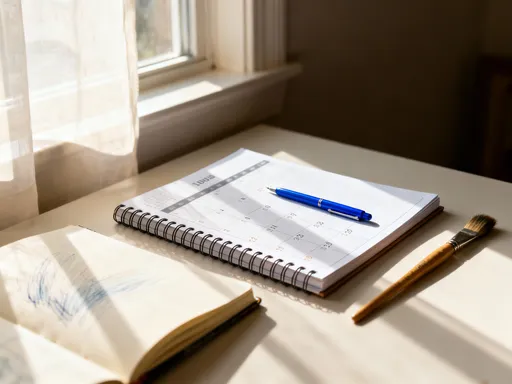
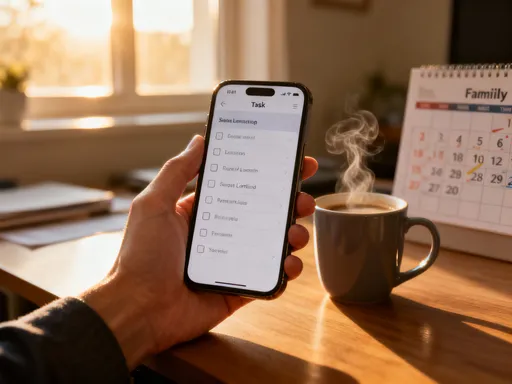
The shift began with one small decision: I would schedule my hobbies like meetings. Not “maybe if I have time,” but actual calendar blocks with a title, a time, and a commitment. The first one I chose was sketching. Every evening at 7 PM, for 45 minutes, I would draw. No exceptions. I typed it into my phone calendar: “Sketching Time – Do Not Disturb.” Just seeing it there, in bold, felt strange. Important. Real.
The first night, my husband walked in and said, “Oh, you’re working?” I laughed. “No, I’m drawing. It’s on my calendar.” He raised an eyebrow but smiled. “Well, don’t let me interrupt your big meeting.” That little moment stuck with me. Even my family started treating it like something worth protecting.
But inside, I struggled. At 6:55 PM, the old habit kicked in: reach for the phone, scroll, zone out. My hand moved toward it like muscle memory. But then I saw the notification: “Sketching Time starts in 5 minutes.” I paused. I closed the social app. I opened my sketchbook instead. And that small victory—choosing the pen over the screen—felt like reclaiming a piece of myself.
At first, the drawings weren’t great. Some were messy, half-finished. But that wasn’t the point. The point was showing up. And the more I showed up, the more I looked forward to it. I started noticing details in everyday life—the way light hit the kitchen window, the curve of my daughter’s smile—because I knew I’d want to draw them later. My creativity, long buried under notifications and to-do lists, began to stir. And with it, a quiet joy I hadn’t felt in years.
How Calendar Design Shapes Daily Reality
There’s something powerful about seeing your time laid out in color. Once I started using calendar blocking, I assigned colors to different parts of my day: red for work, yellow for family, blue for reading, green for guitar practice, and purple for creative time. Suddenly, my week wasn’t just a list of tasks—it was a visual map of my life. And when I saw that purple block every evening, it wasn’t just a reminder. It was a promise.
Our brains respond to visual cues. When something is on the calendar, it feels real. It feels official. It shifts from “I’d like to” to “I’m doing this.” And that small psychological shift reduces decision fatigue. Instead of asking myself every evening, Should I draw? Do I have time? Am I too tired?—I simply followed the plan. The calendar made the choice for me, and that freedom from constant deciding was a gift.
I started applying this to other parts of my day. Saturday mornings got a bright blue block: “Read with Coffee.” Sunday afternoons had a green one: “Guitar – No Screens.” Even 20-minute blocks for journaling or stretching became non-negotiable. I protected them like I would a doctor’s appointment or a school pickup. And slowly, something remarkable happened: my screen time dropped—not because I was fighting it, but because I had something better to do.
One rainy Tuesday, I was feeling low-energy. The thought of picking up my guitar felt like too much effort. But there it was, on the calendar: green block, 6:30 PM. I sighed, sat down, and played one chord. Then another. Within ten minutes, I was lost in a simple melody, my fingers remembering songs I hadn’t played in years. That moment didn’t happen because I felt inspired. It happened because I showed up. And showing up, even when I didn’t feel like it, created space for inspiration to find me.
Syncing Notifications to Support, Not Sabotage, Your Goals
Here’s the irony: the same device that steals our time can also help protect it. Once I had my calendar blocks in place, I realized I needed to align my phone’s behavior with my intentions. I turned off all social media notifications during my creative hours. No pings, no buzzes, no red dots pulling my attention away. Instead, I set up gentle, encouraging reminders: “Time to stretch and paint?” or “Your reading hour starts now—cozy up with your book.”
These small messages felt like a kind friend checking in, not a boss demanding productivity. And over time, I began to trust them. When that “Time to draw” alert popped up, I didn’t groan—I listened. It became a signal to transition, like a school bell or a dinner chime.
I also used the “Focus Mode” feature on my phone, which automatically silences non-essential apps during scheduled blocks. At first, I worried I’d miss something important. But the truth is, very few things are truly urgent. My sister texted once during a guitar session, and I replied 40 minutes later. Her message? “Just wanted to say I love your new haircut.” No emergency. Just connection—and it could wait.
The real magic happened when my phone stopped being the boss of my attention and started being my ally. Instead of reacting to every alert, I taught it to support my rhythm. I even set a morning reminder: “First hour of the day—no screens. Just coffee and quiet.” Those 60 minutes became sacred. I’d sit by the window, sip my tea, write in my journal, or just watch the birds. And by the time I picked up my phone, I felt centered, not scattered.
The Ripple Effect: More Than Just Less Screen Time
Protecting my creative time didn’t just reduce screen use—it transformed my whole life. My sleep improved because I wasn’t scrolling in bed until midnight. My focus sharpened because I wasn’t constantly switching between apps and tasks. My mood lifted because I was doing things that filled me up, not just drained me.
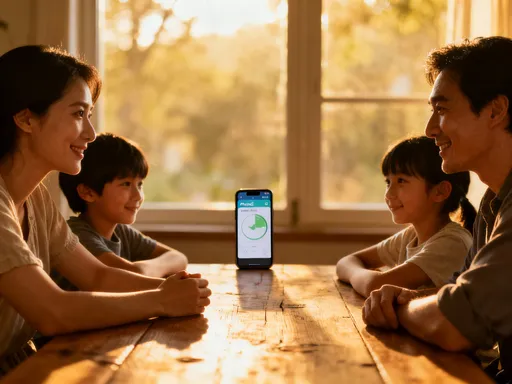
Even my family noticed. My daughter started joining me during sketching time, sitting beside me with her own coloring book. “We’re having our art meeting,” she’d say proudly. My husband began scheduling his own blocks—tennis on Wednesdays, woodworking on Sundays. We weren’t just spending less time on screens; we were creating more space for each other.
Weekends felt different too. Instead of waking up and reaching for the phone, I’d look at my calendar and smile. “Ah yes, morning walk with a podcast. Then lunch, then reading time.” I wasn’t waiting for inspiration. I was building a life where joy was planned, not accidental.
And the most unexpected benefit? I started feeling like me again. Not just a mom, not just a wife, not just someone who manages a household—but a person with passions, ideas, and creativity. That sense of self had been buried under years of autopilot screen use. Reclaiming it didn’t require a dramatic overhaul. It just required one small change: putting what I love on the calendar first.
Building Your Own Hobby-First Schedule (Without Perfection)
If you’re reading this and thinking, That sounds nice, but my life is too busy, I get it. I thought the same thing. But here’s what I’ve learned: you don’t need hours. You don’t need a perfect routine. You just need to start—small, simple, and kind to yourself.
Begin with one hobby. Just one. Something that brings you a flicker of joy—reading, knitting, gardening, playing piano, journaling, walking in nature. Pick a time that’s realistic. Maybe it’s 20 minutes before dinner, or 30 minutes after the kids go to bed. Or even 15 minutes with your morning coffee. The key isn’t duration—it’s consistency and protection.
Open your calendar—on your phone, your tablet, even a paper planner—and block it in. Give it a name. Use a color that makes you happy. Treat it like an appointment you wouldn’t cancel for anything. And when the time comes, do your best to honor it. If you miss a day? That’s okay. No guilt. Just reschedule and keep going.
You can also team up with your device. Set a gentle reminder. Turn off notifications during that time. Use focus modes or app limits to create boundaries. Remember, technology isn’t the enemy. It’s a tool. And when we use it with intention, it can help us protect what matters most.
This isn’t about becoming more productive. It’s about becoming more present. It’s about giving yourself permission to do something just because it feels good. Because you deserve that. And the beautiful thing is, when you start showing up for yourself, everything else starts to shift. Your energy rises. Your mood brightens. Your relationships deepen. You begin to live not just for others, but for you.
So tonight, after the dishes are done and the house is quiet, ask yourself: What did I used to love doing before life got so busy? Then open your calendar. Type it in. Make it real. Because the time you’ve been waiting for? It’s not coming. You have to create it. And when you do, you might just find—like I did—that your hobbies don’t just fill your time. They fill your life.