It's not just about directions: Route planning tools that keep my life in order
We’ve all been there—rushing out the door, only to realize we’ve forgotten something important. A passport. A laptop. The kids’ medication. What if the same tools we use to avoid traffic could also help us protect what matters most? I used to stress constantly about missing essentials—until I started using route planning apps in a whole new way. Now, they don’t just guide my drive—they guard my peace of mind. That shift didn’t happen overnight. It came after a moment of panic, a near-miss that left me shaken and searching for a better way. And what I found wasn’t some high-tech miracle. It was something already in my pocket, waiting to be used more thoughtfully. These tools have become silent partners in my daily rhythm, helping me show up not just on time, but fully prepared—emotionally, mentally, and practically.
The Moment Everything Changed: When I Almost Left Without My Daughter’s Inhaler
It was a Saturday morning, and we were headed to my sister’s house for a weekend getaway. The kids were excited, the car was packed, and I was already mentally ticking off the things I needed to do when we got back. We lived two hours away, and the drive was familiar enough that I could almost do it in my sleep. But that morning, routine turned into a close call—one that still makes my stomach tighten when I think about it.
About thirty minutes into the drive, my daughter started coughing. Not just a little—deep, labored breaths that made her shoulders rise with each effort. I glanced in the rearview mirror and saw her small hand reaching into her backpack. “Mom,” she said, her voice tight, “I can’t find my inhaler.” My heart dropped. I pulled over immediately, scanning the back seat, digging through bags, checking every pocket. Nothing. Then it hit me—I had seen it on the kitchen counter that morning, right next to her breakfast plate. I’d been distracted by the dog barking and the phone ringing and just… left it behind.
We were lucky. The nearest pharmacy had a backup dose, and by the time we got there, her breathing had stabilized. But the emotional toll stayed with me. I kept replaying those last minutes at home, wondering how I could have missed something so critical. It wasn’t just about being forgetful. It was about the weight of responsibility—of being the person everyone else depends on. That moment changed everything. I realized I couldn’t rely on memory alone, not when the stakes were this high. I needed help. And that’s when I started looking at the tools I already used every day in a completely different light.
Beyond Turn-by-Turn: How Route Planners Became My Daily Guardians
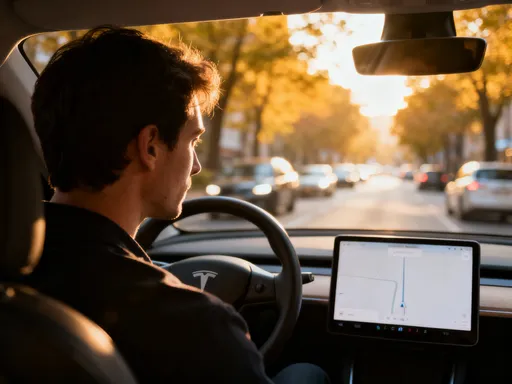
Before that trip, I thought of my route planning app as a simple navigation tool. It told me which highway to take, warned me about traffic, and sometimes suggested a faster way home. But after the inhaler incident, I started wondering—could it do more? Could it help me remember the things I couldn’t afford to forget? I began exploring its features more deeply, and what I discovered surprised me. These apps aren’t just about getting from point A to point B. They’ve evolved into intelligent assistants that can sync with other parts of my digital life.
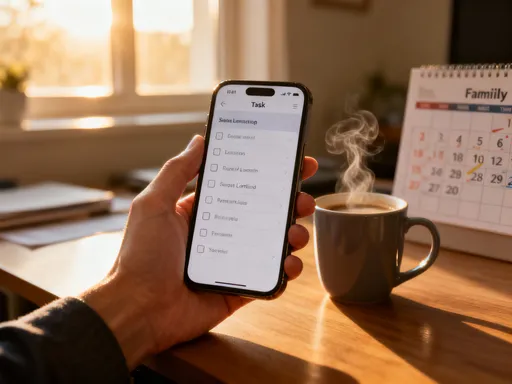
Now, when I plan a trip, my app knows more than just the destination. It checks my calendar and sees that I have a doctor’s appointment. It pulls up a checklist I created for medical visits and sends me a reminder: “Don’t forget insurance card and medication log.” If I’m heading to the airport, it knows from past trips that I always pack my travel adapter and passport holder—and it reminds me to grab them before I leave. These aren’t random alerts. They’re context-aware, learning from my habits and adjusting over time.
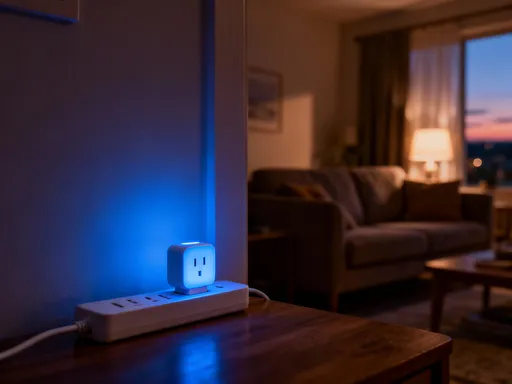
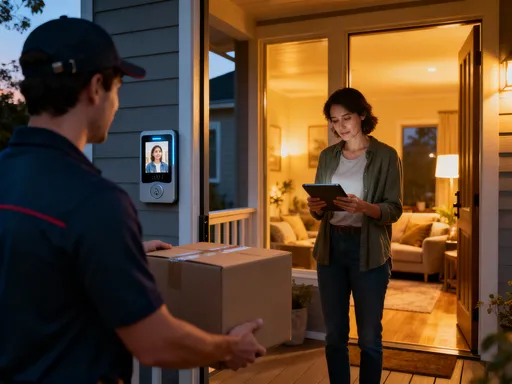
The real shift came when I connected it to my smart home devices. Now, when I unlock my front door to leave, the app triggers a checklist review. A soft chime on my phone says, “Heading out? Make sure you have your presentation files and lunch bag.” It’s not pushy. It’s helpful. And because it’s tied to my actual movements—leaving the house, arriving at school, approaching the grocery store—it feels intuitive, not intrusive. This isn’t about turning my life into a series of automated tasks. It’s about creating a safety net, so I can focus on being present with my family instead of constantly worrying about what I might have missed.
The Hidden Feature That Saved Me: Location-Based Reminders That Work Like a Safety Net
The feature that changed everything for me was geofencing. I’d heard the term before, but I didn’t realize how powerful it could be until I set up my first location-based reminder. It’s simple: I tell the app to remind me of something when I leave or arrive at a specific place. For example, I have a reminder that says, “Don’t forget the permission slip in the kitchen drawer,” and it only pops up when I’m about to leave the house.
I remember the first time it worked exactly as intended. I was rushing to get the kids to school, juggling backpacks, lunches, and last-minute homework. As I turned the key in the front door, my phone buzzed. “Don’t forget the birthday gift in the hall closet.” I stopped, walked back, grabbed the wrapped present, and made it to the party on time. That small moment felt like a win—not because of the gift, but because the system had my back. It was like having a second pair of eyes, quietly watching out for the things I care about.
What makes this so effective is how personalized it can be. I’ve set up reminders for one-time events, like picking up a prescription, and recurring ones, like grabbing my reusable grocery bags every Thursday. Some are practical—“Check tire pressure before long drive.” Others are emotional—“Call Mom on her birthday when you leave work.” These aren’t just alerts. They’re tiny acts of care, automated so I don’t have to carry the mental load. And the best part? They require almost no effort to maintain. Once set up, they run quietly in the background, surfacing only when needed.
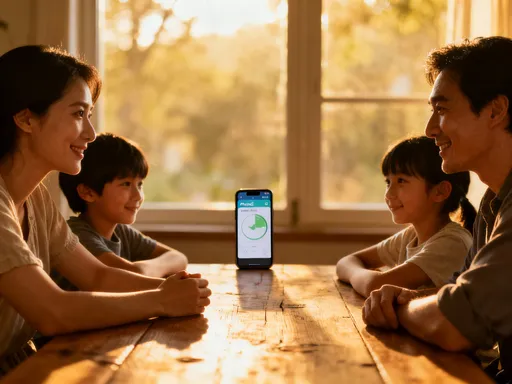
I’ve also shared some of these with my family. My husband has a reminder to pick up dog food when he’s near the pet store. My daughter gets a prompt to grab her library book when she leaves school. It’s not about control. It’s about connection. We’re using technology to support each other, to make sure the little things don’t become big problems.
Packing Smarter, Not Harder: How My App Knows What I Can’t Afford to Forget
Packing used to be one of my least favorite parts of any trip. Not because I minded the physical act, but because of the anxiety that came with it. Did I remember everything? Would the kids have what they needed? Was there something important buried in a drawer that I’d overlook? The mental checklist was exhausting, and I often ended up double-checking bags at the last minute, adding stress to an already busy morning.
Then I discovered how route planning tools can integrate with digital packing lists. Instead of relying on memory or a static note, I now have smart checklists that adapt to the type of trip. When I input a destination and purpose—say, a family visit or a business meeting—the app suggests items based on past trips and common needs. For a weekend away, it reminds me of toiletries, chargers, and weather-appropriate clothing. For a medical appointment, it highlights documents, medications, and a water bottle.
What’s really impressive is how the app learns over time. If I consistently add a particular item—like my noise-canceling headphones for long drives—it starts suggesting it automatically. If I forget something once and manually add it to the list, it remembers for next time. It’s not perfect, but it’s getting better. And that progress has made a huge difference in how I feel about preparing for trips. Instead of dread, I feel a quiet confidence. I know the system is helping me cover the basics, so I can focus on the meaningful parts—like talking to my kids in the car or enjoying the scenery on the way.
I’ve also started involving the kids in this process. They each have their own digital checklist linked to our family account. Before a trip, they review it on their tablets and check off items as they pack. It’s teaching them responsibility, and it gives me peace of mind knowing they’re part of the process. Plus, it reduces the “I forgot my…” moments that used to happen halfway through a drive.
Teaching My Teen to Stay Organized—With a Little Help from GPS Alerts
As my children have grown, I’ve realized that organization isn’t just about managing my own time—it’s about helping them build skills for life. My teenage daughter, in particular, has a lot on her plate: school, extracurriculars, part-time work, and social commitments. I didn’t want to micromanage her, but I also didn’t want her to feel overwhelmed. That’s when I introduced her to the same tools I use—starting with GPS-based reminders.
I showed her how to set up a simple alert: “Grab your saxophone before leaving school.” She laughed at first, calling it “mom tech,” but within a week, she’d added her own—“Don’t forget debate notes” and “Return library book.” She even started using location-based reminders for social things, like picking up a friend’s birthday gift when she passed the mall.
What surprised me most was how it shifted her mindset. Instead of seeing organization as a chore, she began to see it as a form of self-care. “It’s like having a little voice that helps me stay on track,” she told me. And because the reminders are tied to real places—school, work, home—they feel relevant, not arbitrary. She’s not just remembering things; she’s building confidence in her ability to manage her life.
We’ve also used shared route planning for family coordination. When she has a late rehearsal, I can see her estimated arrival time and adjust dinner accordingly. If I’m running errands, she gets a notification when I’m near her workplace, so she knows when to expect a ride. It’s not about surveillance. It’s about support. These tools have become a bridge between independence and connection, helping her grow while knowing she’s not alone.
When Life Gets Chaotic—How These Tools Keep Me Grounded
Life doesn’t always go according to plan. There are days when everything seems to happen at once—school calls, work deadlines, last-minute appointments, and the dog needs to go to the vet. In those moments, it’s easy to feel like you’re losing control. I’ve been there, standing in the kitchen with three bags, two phones, and no idea where to start.
But over time, I’ve learned to rely on my route planning tools as stabilizers during chaos. When I have multiple stops, the app organizes them in the most efficient order, saving me time and mental energy. If I’m moving houses, it helps me coordinate drop-offs, schedule movers, and remind me to pack essentials last. During a recent family emergency, it guided me to the nearest hospital, found parking, and even suggested a nearby coffee shop where I could take a moment to breathe.
What matters most is how these tools reduce decision fatigue. Instead of asking myself, “What should I do next?” I can trust the system to guide me. It doesn’t eliminate stress entirely—that’s not realistic—but it creates space for clarity. I’m not scrambling. I’m moving with purpose. And in those high-pressure moments, that small shift can make all the difference.
I’ve also started using it for emotional grounding. I have a reminder that pops up when I arrive home after a long day: “Take three deep breaths before going inside.” It sounds simple, but it helps me transition from “doing” to “being.” It’s a small ritual that centers me, so I can walk into the house present and calm, not frazzled and distracted.
More Than Convenience: Technology That Protects What I Love Most
Looking back, I realize that my relationship with technology has changed in a profound way. It’s no longer just a tool for efficiency. It’s a partner in care. Every reminder, every optimized route, every saved minute adds up to something bigger—a life with more presence, less anxiety, and deeper connections. I’m not just getting places faster. I’m showing up better.
These tools don’t replace my attention. They protect it. By handling the small details, they free me to focus on what truly matters—my family, my peace of mind, my sense of control in a busy world. I’m not perfect. I still forget things. But now, I have a system that helps me recover quickly, without panic or guilt.
And perhaps most importantly, I’ve learned that being organized isn’t about being rigid or overly scheduled. It’s about creating space—space to breathe, to connect, to be human. Technology, when used with intention, can support that. It can help us hold on to what we love, not just in our hearts, but in our daily actions. So the next time you open your route planning app, don’t just think about the road ahead. Think about the life you’re carrying with you. Because the right tools don’t just guide your journey—they help you protect it.